Clear Wood Finishes That Won't Yellow or Darken Your Wood
Water-based poly, hardwax oil, and paste wax compared for keeping wood looking raw and natural. Which one protects without changing the color.
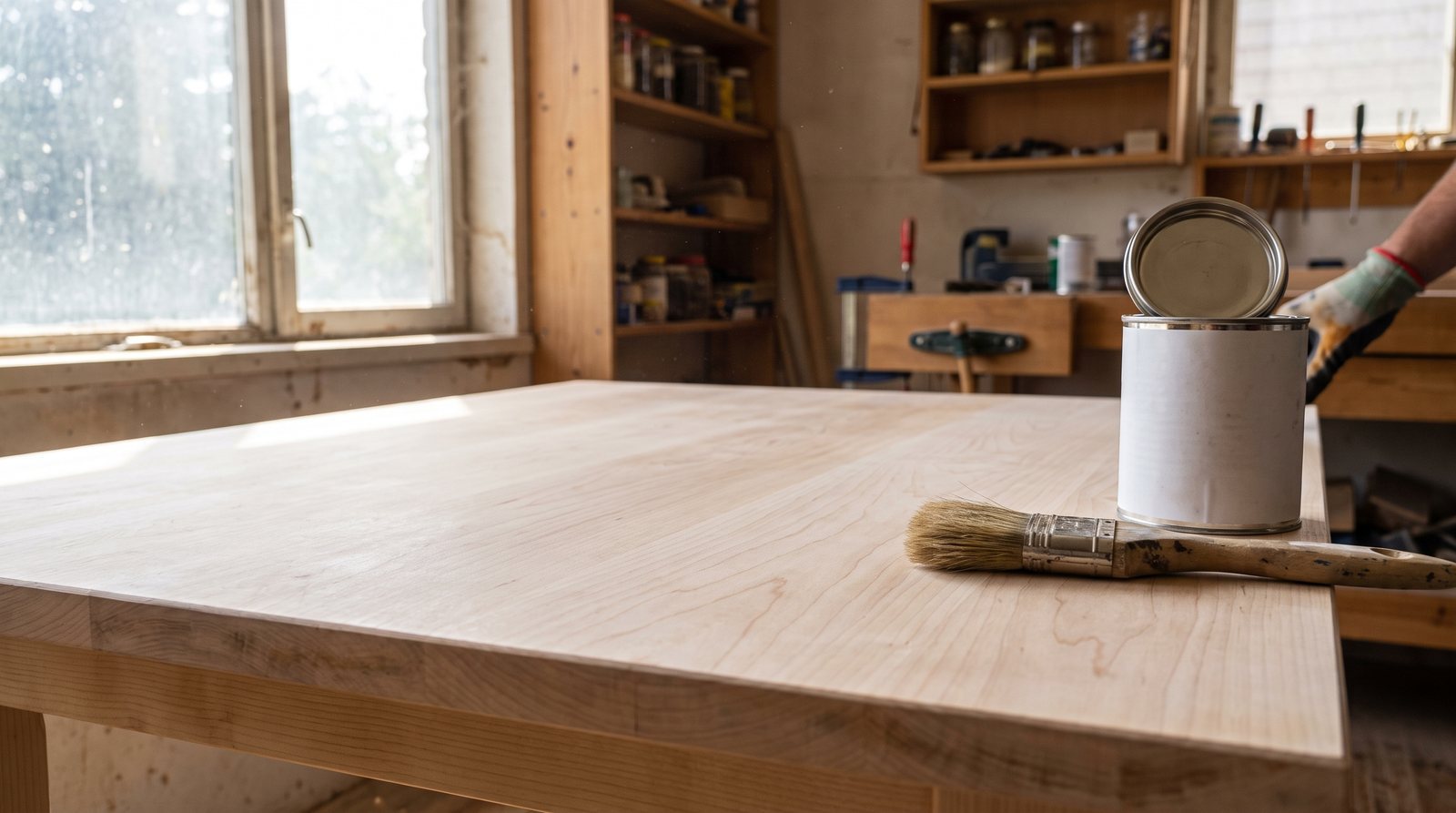
You spent hours sanding a piece of maple or pine down to bare wood, and it looks exactly the way you want it. Then you brush on a finish and the whole thing turns amber. This is the single most common frustration with wood finishing, and it's entirely avoidable once you understand which products actually stay clear and which ones lie about it.
This guide compares three finishes that can protect wood without noticeably changing its color: water-based polyurethane, hardwax oil, and paste wax. By the end you'll know which one fits your project, how to apply it without the usual mistakes, and what "natural look" really means for each option.
Why finishes change the color of wood
Every finish interacts with wood fibers differently. Oil-based polyurethane, tung oil, and boiled linseed oil all contain resins or drying oils that soak into the grain and deepen its tone. That warm, golden shift looks great on walnut or cherry, but on light woods like maple, birch, ash, or white oak it can read as dingy yellow.
The amber tone also gets worse over time. Oil-based poly continues to yellow as it ages, a process accelerated by exposure to sunlight. If you've ever moved a rug on a polyurethane floor and found a lighter rectangle underneath, that's UV-accelerated yellowing at work.
The three finishes below minimize or eliminate that shift. None of them will keep wood looking perfectly identical to its raw, dry-sanded state (even water changes wood's appearance temporarily), but they come close.
Water-based polyurethane: the hardest clear film
Water-based poly dries crystal clear with no amber cast. It builds a hard, protective film on the surface, which makes it the most durable option here for tables, shelves, and anything that sees daily contact.
The trade-off is feel. Some people find that water-based poly looks and feels like a thin layer of plastic sitting on top of the wood, especially at higher sheens. If that bothers you, choose a matte or "dead flat" sheen. General Finishes makes a High Performance Dead Flat topcoat specifically designed to mimic the look of unfinished wood while still providing film protection. A quart runs about $30 at Woodcraft. For larger projects, Varathane Crystal-Clear water-based poly in satin costs roughly $60 to $70 per gallon at Lowe's and covers 350 to 500 square feet per gallon depending on how porous your wood is.
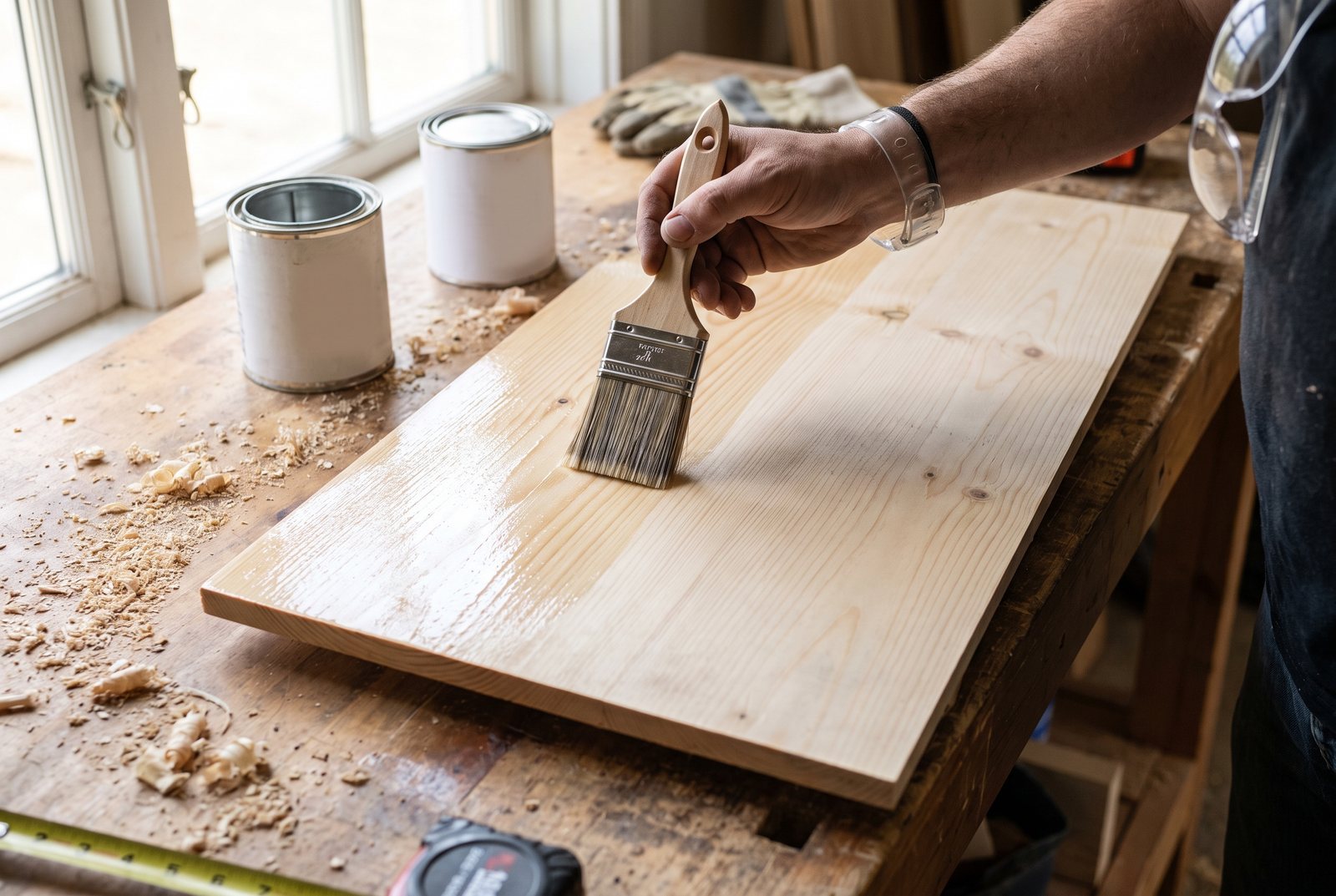
How to apply it well. Sand raw wood to 180 or 220 grit, but no finer. Going above 220 can burnish the surface and prevent the finish from gripping. Vacuum the dust, then wipe with a tack cloth. Use a quality synthetic-bristle brush (not a cheap foam brush, which traps air bubbles). Apply thin coats, let each one dry 2 to 4 hours, and resist the urge to go back over a section that's already started to set. Water-based poly dries fast, and re-brushing a tacky area creates visible marks.
Two to three thin coats is the standard. The finish is dry to touch in 1 to 2 hours, safe for light use in 12 to 24 hours, but takes 3 to 21 days to fully cure. Don't stack books on a freshly finished shelf for at least a week.
The mistake everyone makes: shaking the can. Oil-based poly can handle a shake. Water-based poly cannot. Shaking whips tiny bubbles into the finish that end up frozen in the dried film. Stir gently instead.
Apply between 60°F and 80°F with humidity under 60%. High humidity traps moisture in the film and can leave it looking cloudy, which is the opposite of what you're going for.
Hardwax oil: the natural feel winner
If you want the wood to still feel like wood under your hand, hardwax oil is probably your finish. It penetrates into the fibers instead of sitting on top, and the wax component fills the pores to create a smooth, low-sheen surface with no visible film. You can run your fingers across a hardwax-oiled tabletop and feel the grain.
Hardwax oil does slightly warm the wood's tone, but far less than a traditional oil finish. Some brands address this directly. Osmo makes a "Polyx-Oil Raw" formula designed to counteract even that slight warmth and keep the wood looking as close to raw as possible. Standard Osmo Polyx-Oil in satin runs about $114 for a 0.75-liter can at Rockler, which sounds steep until you realize it covers roughly 215 to 320 square feet per liter. A little goes a long way.
The other big advantage is repairability. A scratch or water ring on a polyurethane surface means sanding and refinishing the entire panel. With hardwax oil, you can sand just the damaged spot with 120-grit, reapply oil to that area, and blend it in. No one will see the patch.
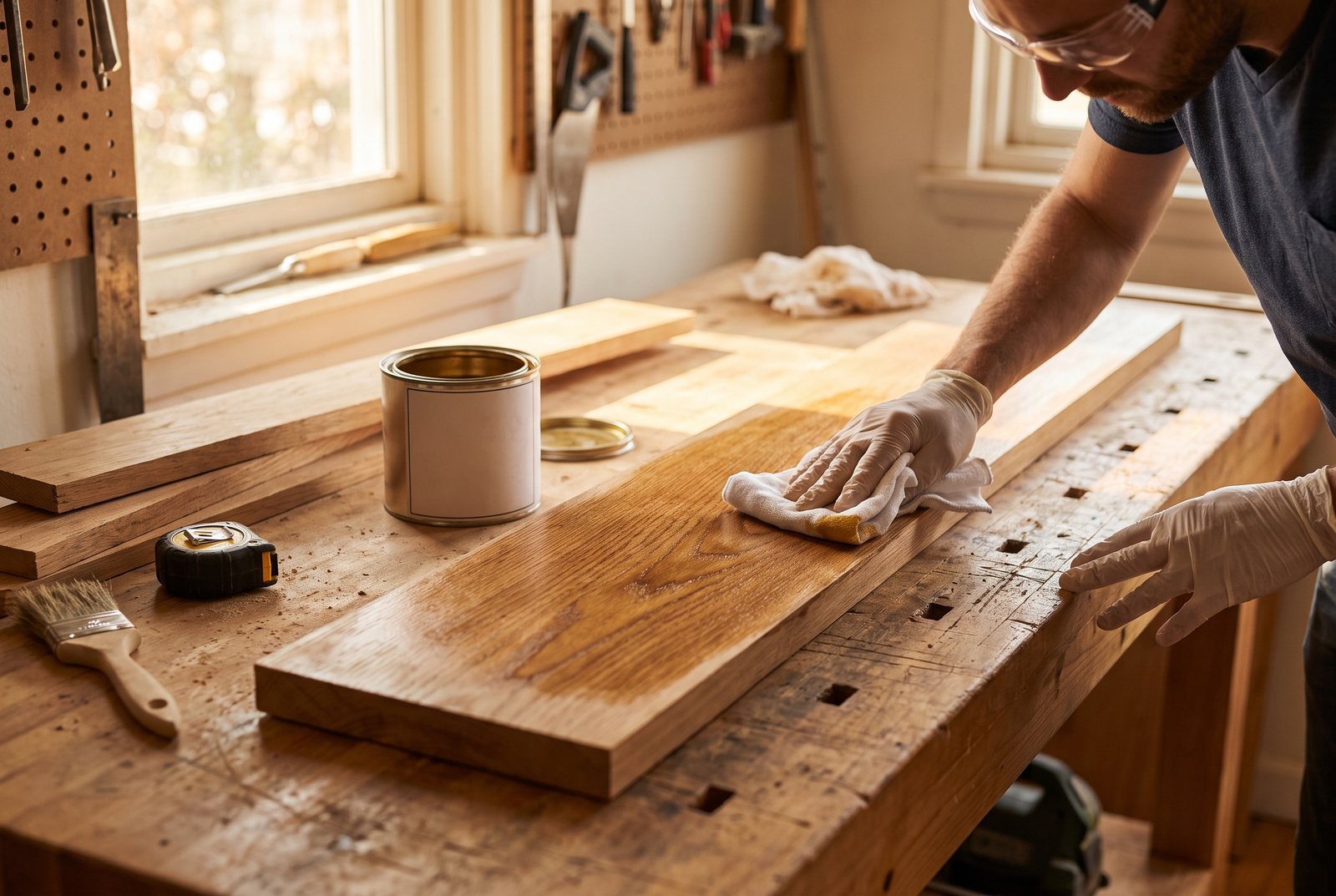
How to apply it well. Sand to 120 or 150 grit. This is coarser than you'd sand for poly, and that's intentional: the slightly open grain lets the oil soak in. Apply a thin coat with a lint-free cloth or the applicator pad that comes with the product, wait the recommended penetration time (varies by brand), then wipe off all excess. This is the step people skip or rush, and it's the difference between a beautiful finish and a sticky mess that won't cure. The oil should be in the wood, not sitting on it.
Coat count depends on the product. Osmo Polyx-Oil typically needs two coats with 8 to 10 hours of drying between them. Rubio Monocoat is a single-coat system. Follow the label.
Apply between 65°F and 75°F. Curing can stall below 60°F, and high humidity may cause a faint white haze.
Safety note that matters: rags and cloths soaked in hardwax oil can spontaneously combust as the oil cures and generates heat. This is not a theoretical risk. After you finish, either submerge your rags in water and seal them in a metal container, or lay them flat on concrete outdoors to dry completely before throwing them away. Do not ball them up and toss them in a trash can.
Paste wax: the simplest option (with limits)
Paste wax is the easiest finish to apply and the one that changes the wood's appearance the least. A thin coat of beeswax or carnauba-based wax gives the surface a soft, velvety luster without any hint of amber or plastic sheen. It dries in 10 to 20 minutes, you buff it with a cloth, and you're done.
The catch is durability. Wax offers minimal protection against scratches, heat, and water. It's a good choice for decorative shelves, picture frames, jewelry boxes, or the inside of a cabinet. It is not a good choice for a dining table, a kitchen counter, or anything that gets wet regularly. Howard Feed-N-Wax, a popular wax-and-oil blend at about $14 for a 16-ounce bottle, conditions the wood nicely but isn't rated for food-prep surfaces.
How to apply it well. Wipe a very thin layer onto clean, smooth wood with a soft cloth. Let it haze over (10 to 20 minutes), then buff firmly with a clean cloth until the surface feels smooth and has a low glow. The most common mistake is applying too much. If the surface feels greasy or won't buff to a sheen, you used too much. Wipe off the excess with a clean cloth and try again with less.
One more thing: don't apply wax over polyurethane. It can cloud the surface and cause peeling. Wax works well over shellac or over a penetrating oil, but not over a film finish.
Choosing the right finish for your project
The table below puts the three options side by side so you can match the finish to what you're building.
| Water-Based Poly | Hardwax Oil | Paste Wax | |
|---|---|---|---|
| Color change | None (crystal clear) | Very slight warmth | Nearly none |
| Surface feel | Smooth film, can feel like plastic at high sheen | Natural wood texture | Soft, velvety |
| Durability | High (film protects against scratches and water) | Medium-high (resists daily wear, spot-repairable) | Low (decorative use only) |
| Coats needed | 2 to 3 | 1 to 2 (brand-dependent) | 1 to 2 |
| Full cure | 3 to 21 days | 5 to 30 days | 1 to 2 days |
| Best for | Tabletops, shelves, cabinets, floors | Dining tables, desks, countertops | Decorative items, low-wear furniture |
| Approximate cost | $60-$70/gal (Varathane) | ~$114/0.75L (Osmo) | ~$14/16 oz (Howard) |
For light-colored woods like maple, birch, or white pine where you want maximum color preservation, water-based poly in a dead flat sheen or Osmo's Raw formula are the two strongest choices. For darker woods like walnut or cherry where a tiny bit of warmth is welcome, standard hardwax oil brings out the grain beautifully without the heavy amber of an oil-based poly.
When finishes go wrong on restored pieces
A frustration we see often is someone stripping an old piece of furniture down to bare wood, getting it looking perfect, and then watching the new finish pull the color in a direction they didn't want. Kathartic Studios ran into exactly this challenge when restoring a wood dining table to a natural finish. The project involved stripping a poorly applied stain, sanding back to raw wood, and then carefully choosing a finishing approach that would preserve the look of the bare wood rather than re-amber it. If you're refinishing rather than building from scratch, that project guide walks through the full process from stripping to final coat.
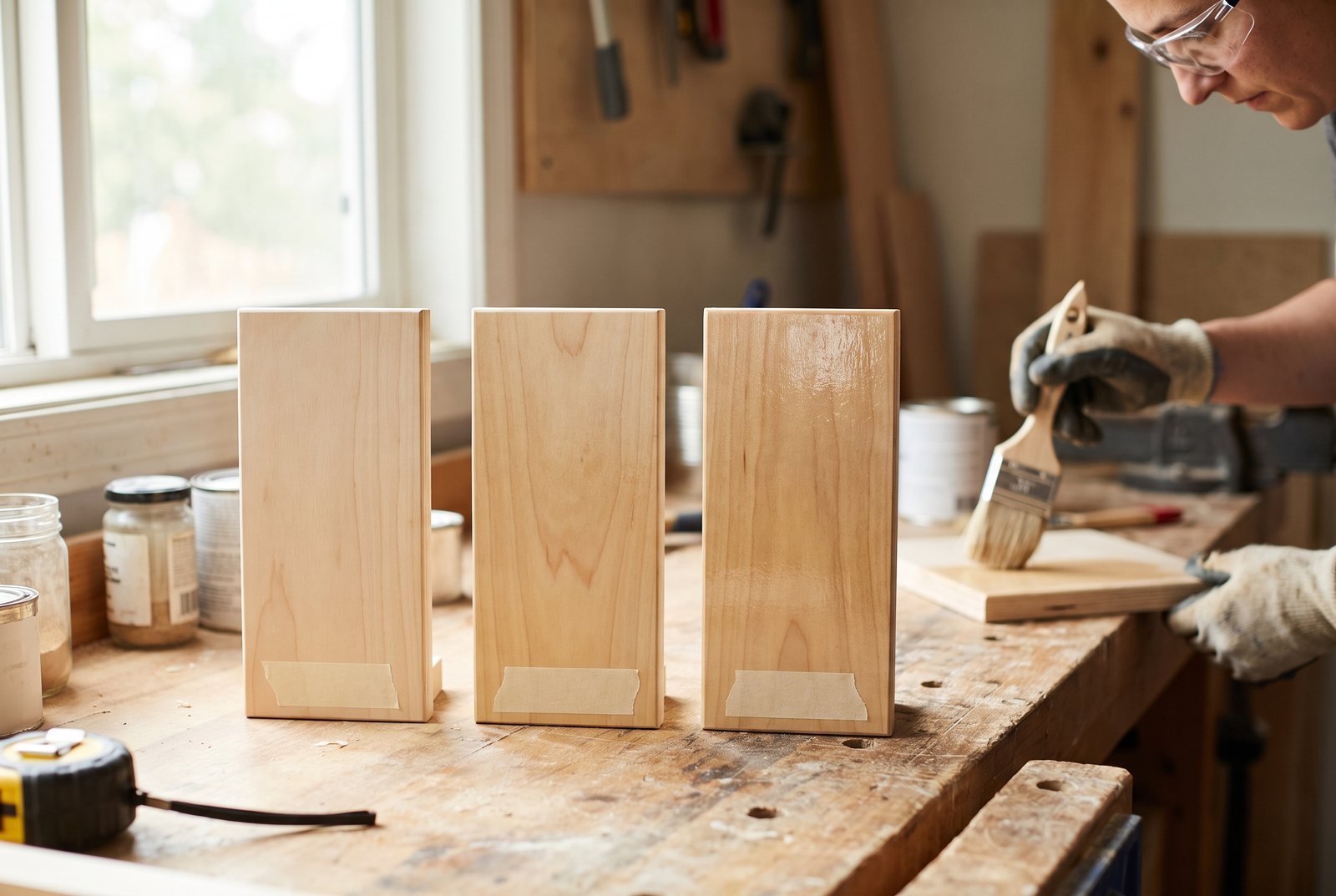
The lesson from restoration work applies to new builds too: always test your finish on a scrap piece of the same wood, or on the underside of the piece, before committing to the visible surfaces. Wood species, age, and even the individual board can react differently to the same product.
Quick answers
Will water-based polyurethane yellow over time?
Water-based poly is far more resistant to yellowing than oil-based poly. It can develop a very faint warm tone after many years, especially under strong UV light, but the shift is minimal compared to oil-based finishes.
Can I use paste wax on a kitchen table?
Wax alone does not provide enough protection for a surface that sees daily meals, spills, and heat. Use a hardwax oil or water-based poly for dining tables instead. You can apply wax over a cured penetrating oil for added sheen, but the oil does the heavy lifting.
What grit should I sand to before applying a clear finish?
It depends on the finish. Sand to 180 or 220 grit for water-based polyurethane. Sand to 120 or 150 grit for hardwax oil. Going finer than recommended can prevent the finish from adhering or penetrating properly.
Is hardwax oil food-safe?
Many hardwax oils are certified food-safe once fully cured. Osmo TopOil, for example, is rated for kitchen countertops and tables. Check the specific product label, as formulations vary.
The project in this post
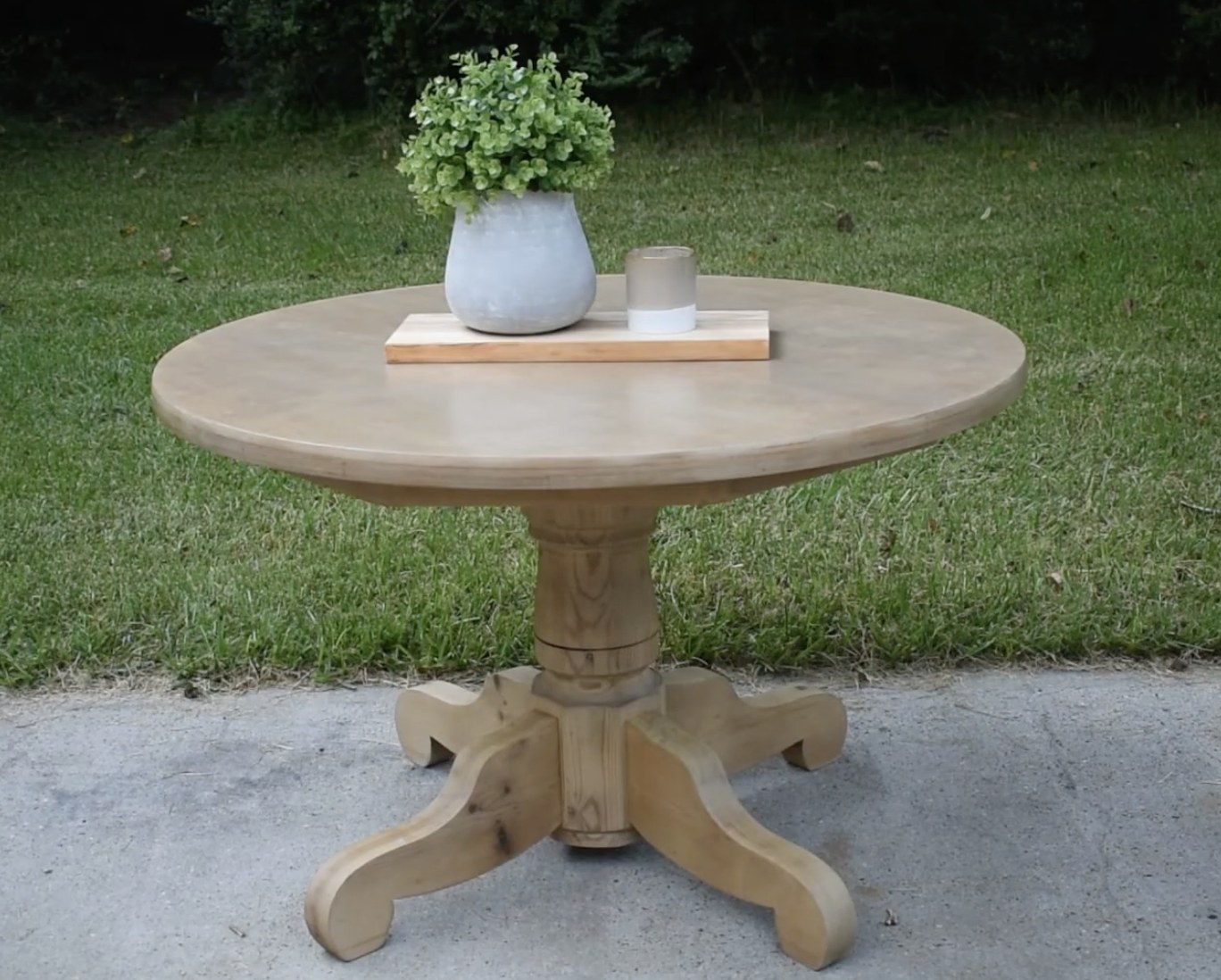
Restoring a Wood Table with a Natural Finish
by Kathartic Studios
Open the project guideKeep reading
All posts
How Long to Let Paint Dry Between Coats (and Cure Times)
Dry to the touch doesn't mean done. Learn recoat times for latex, chalk paint, and polyurethane, plus why a full 21 to 30 day cure prevents chips and marks.
Sanding for Distressing vs Sanding to Smooth Furniture
Distressing and smoothing use sandpaper in opposite ways. Here's how grit choice, pressure, direction, and where you sand differ for each technique.
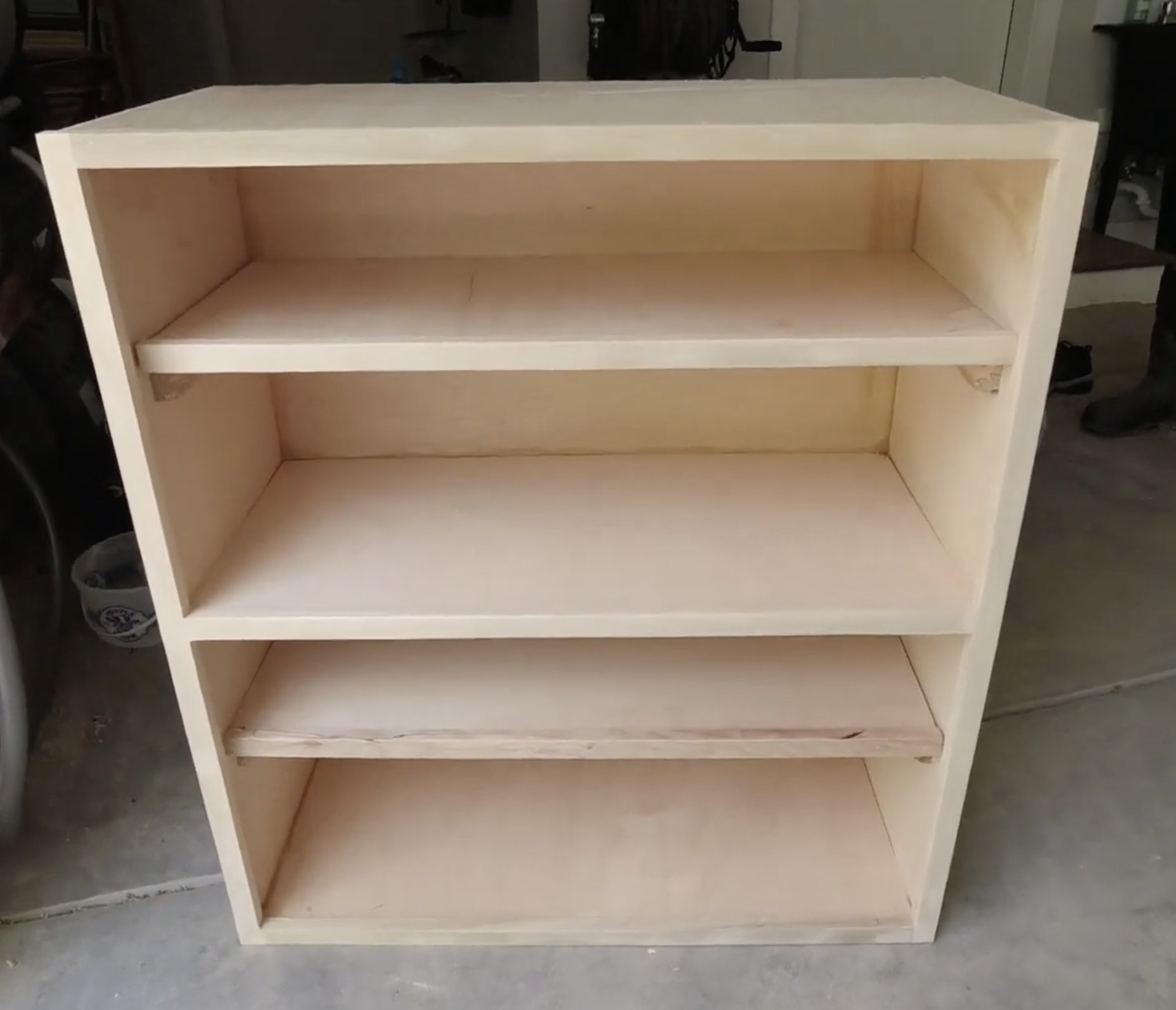
How to Build a Plywood Garage Cabinet with a Circular Saw
A simple 3/4" plywood garage cabinet built with a circular saw and brad nailer. Covers plywood choice, cost, assembly, and tips for beginners.